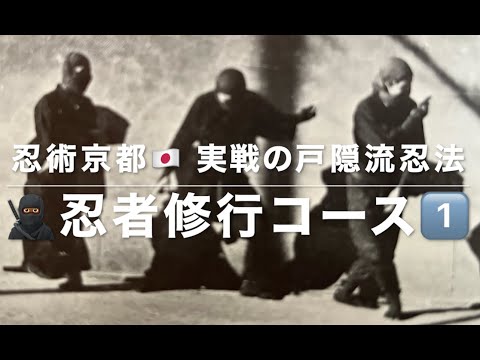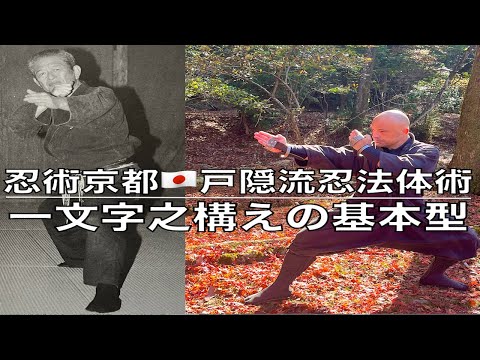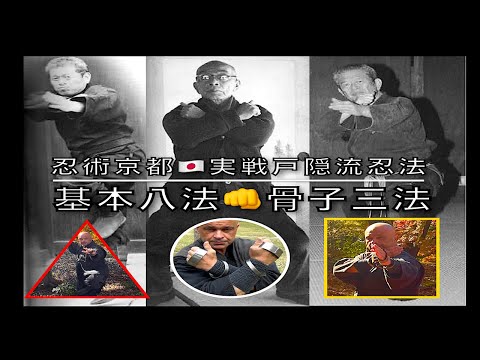
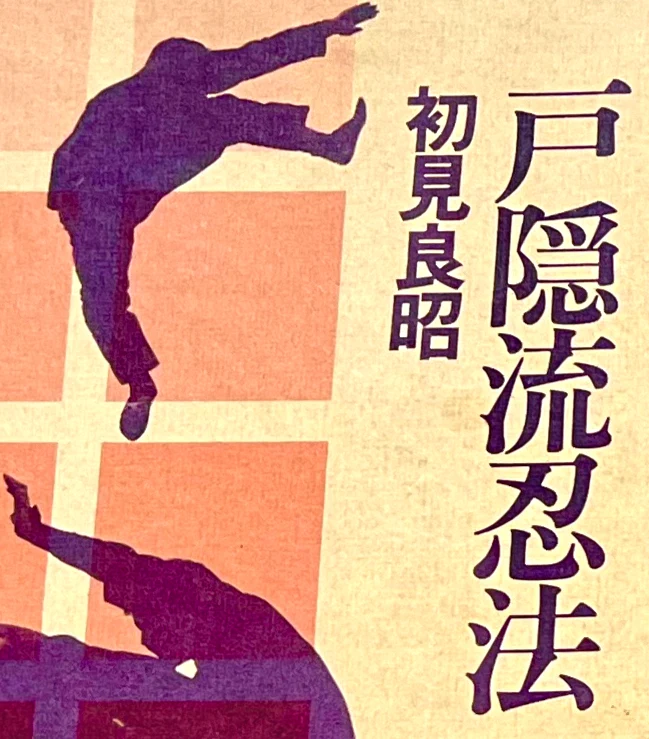
Breaking down the etymology of the expression “Togakure Ryū Ninpō” helps us understand its meaning.
Togakure (戸隠): This is a Japanese place name, specifically referring to the village of Togakure in Nagano Prefecture. The word itself is made up as follows:
戸: Means “door” or “gate.”
隠: Means “to hide” or “hidden.”
Thus, “Togakure” means “hidden gate” or “hidden entrance,” referring to an unseen or concealed place.
Ryū (流): This character means “flow” or “style.” It refers to a particular martial tradition or system passed down through generations.
Ninpō (忍法):
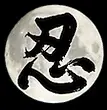
忍: Derived from the verb “shinobu,” meaning “to endure” or “to persevere.” It is also associated with concepts essential to ninja, such as secrecy, stealth and patience.
法: Means “law,” “principle” or “method.”
Thus, “Ninpō” can be translated as “the law of perseverance” or “the way of the ninja.”
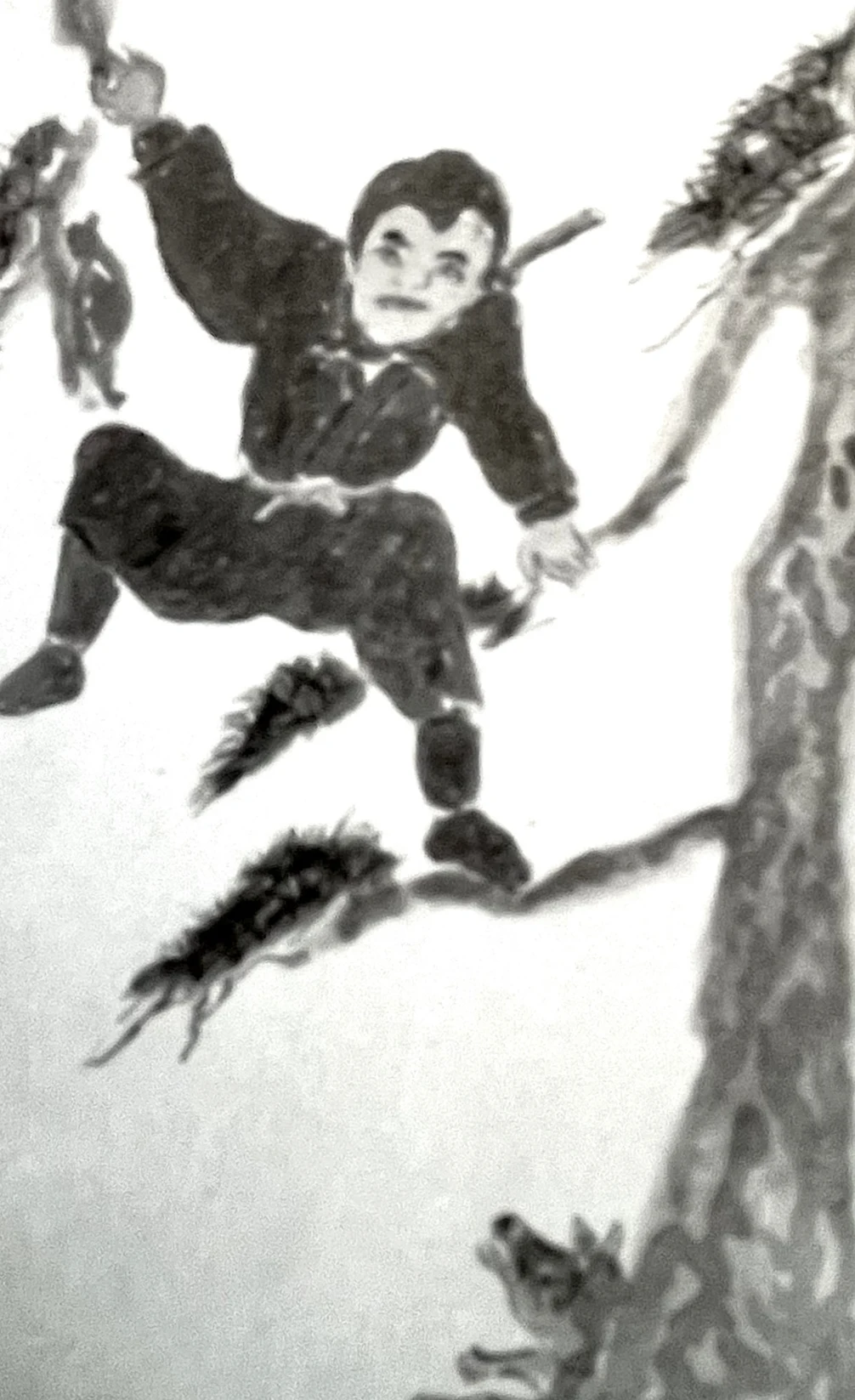
In essence, “Togakure Ryū Ninpō” etymologically means “the Ninjutsu school of the hidden gate.” This reflects a ninja tradition originating in the concealed region of Togakure, emphasizing secrecy, perseverance and specialized martial arts.
Origins and History of Togakure Ryū Ninpō
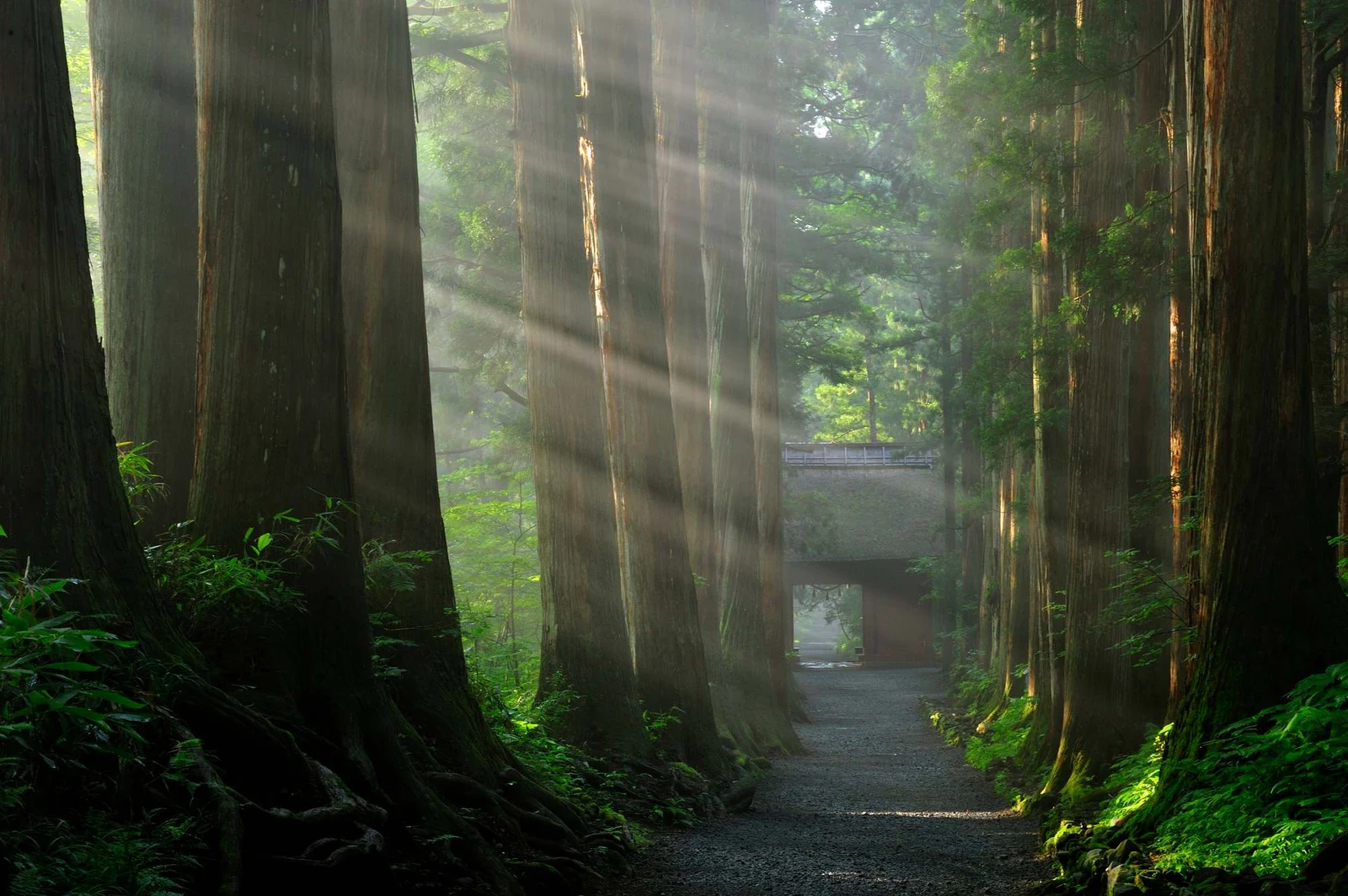
Togakure Ryū Ninpō originated in the mountains of Togakure (戸隠), in what is now Nagano Prefecture. According to legend, the school was founded by Nishina Daisuke (仁科大助), a samurai defeated in battle at the end of the Heian period. He fled to the mountains of Togakure, where he met a Chinese warrior monk, Kain Dōshi (開道士). Kain Dōshi taught him combat techniques influenced by Taoism, bringing together Japanese martial arts and Chinese spiritual practices.
These techniques included stealth, espionage and survival strategies essential to ninja operating in the shadows. This distinctive combination of martial arts and spiritual practice formed the foundation of Togakure Ryū, passed down through the centuries.
Characteristics of Togakure Ryū Ninpō
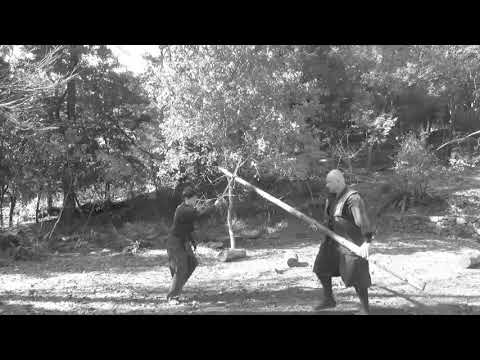
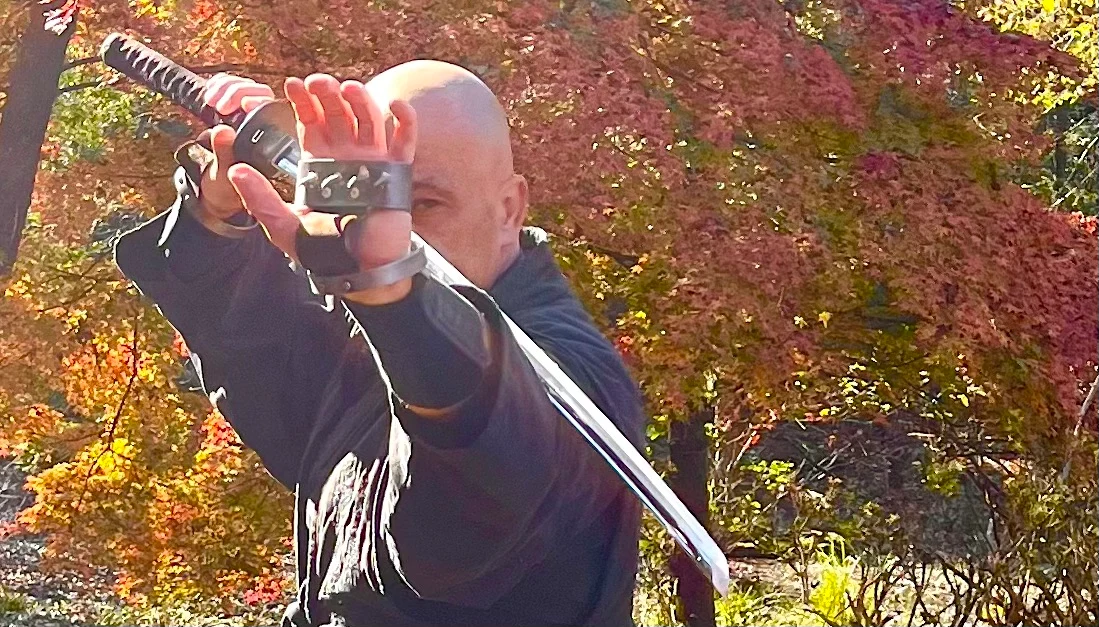
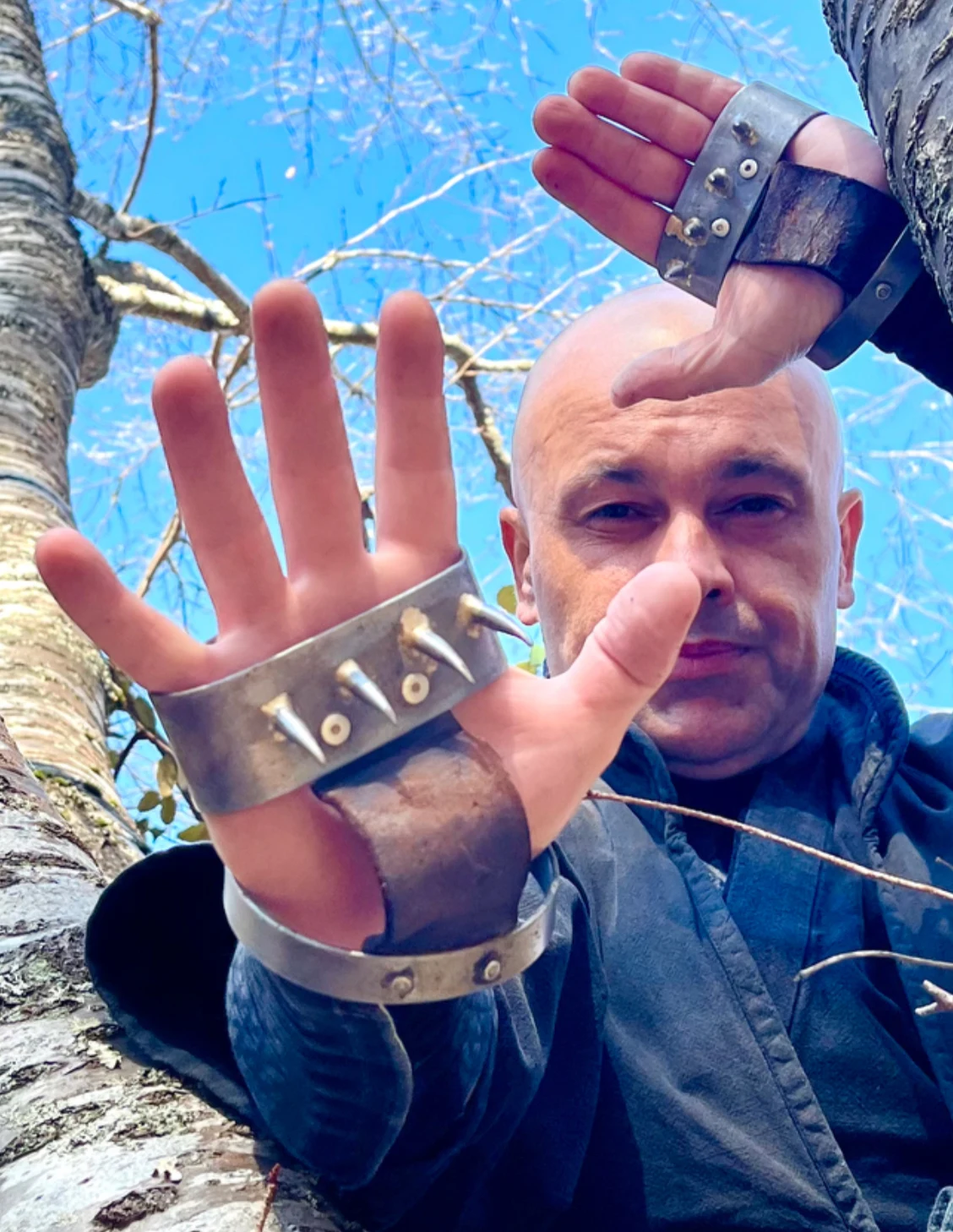
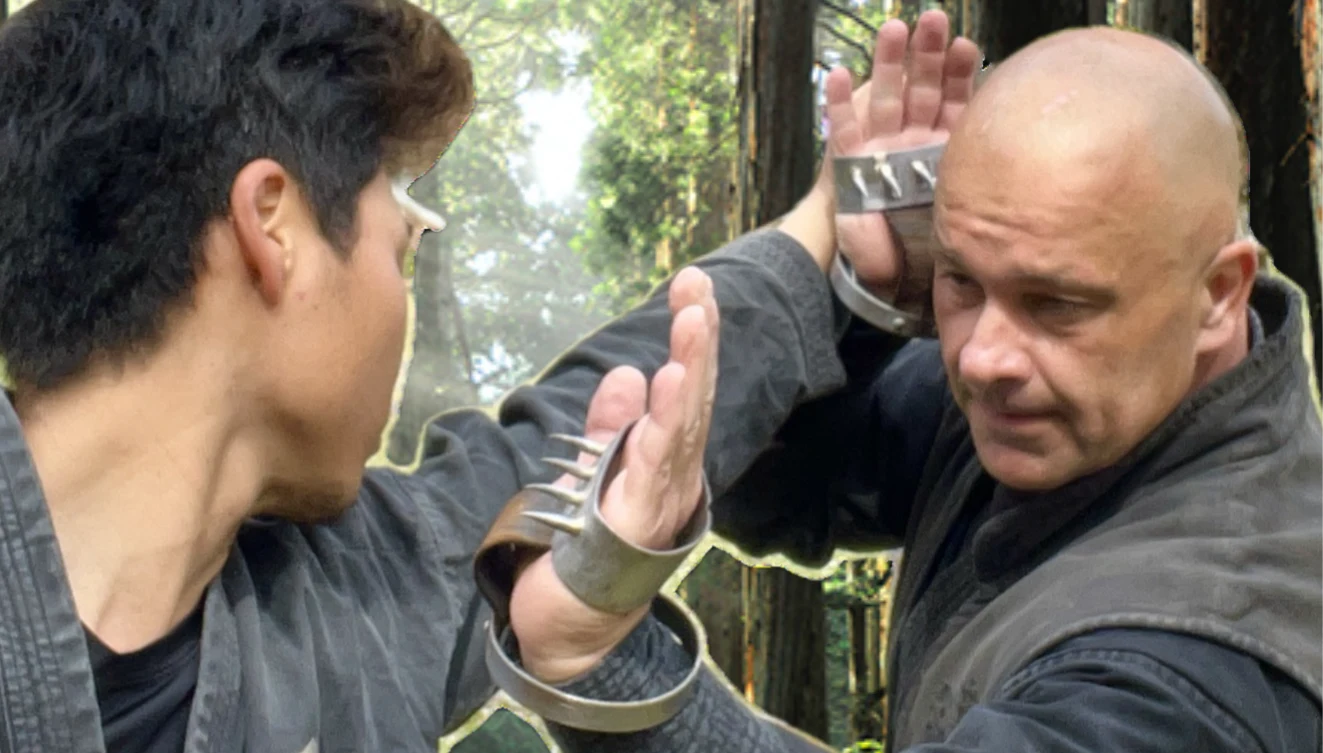
Secret techniques: Togakure Ryū transmits skills essential to ninja missions, such as infiltration, camouflage, intelligence gathering and stealth techniques. It also includes martial arts such as Kenjutsu (剣術), Bōjutsu (棒術) and unarmed combat. The school uses weapons specialized for Ninjutsu, including Shukō (手鉤), Senban Shuriken (旋盤手裏剣) and blowguns.
Spiritual cultivation: Togakure Ryū places great emphasis on spiritual cultivation as well as physical techniques. Strongly influenced by Shugendō, the school involves rigorous training that, as with yamabushi, develops inner calm and perseverance alongside spiritual awakening.
Harmony with nature: The practice of Togakure Ryū incorporates elements of nature. Its ninja use the natural environment to carry out covert activities, survive outdoors and complete their missions. Their connection with nature is an important part of their training and philosophy.
Religious elements: Togakure Ryū is deeply connected with religious and Shugendō practices. The mountains around Togakure in Nagano Prefecture have long been known as training grounds for ascetic practitioners. This environment influenced Togakure Ryū practice, giving rise to a distinctive style combining spiritual cultivation and martial arts.
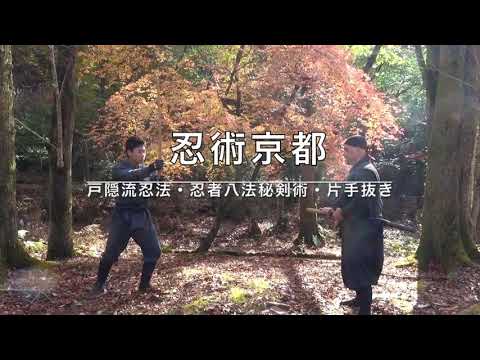
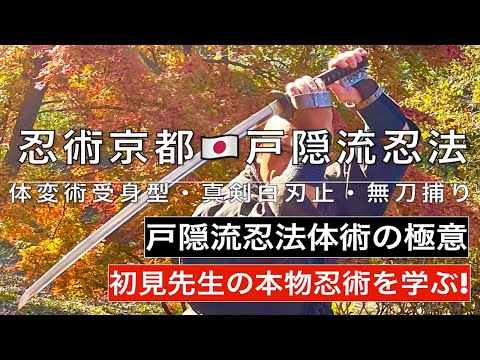
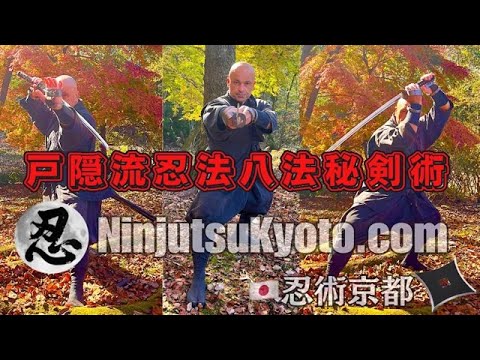
Togakure Ryū Ninpō Happō Bikenjutsu (八法秘剣術) is an important component of Togakure Ryū and a swordsmanship method for advanced practitioners. Literally translated as “Togakure Ryū’s eight secret swordsmanship principles,” this system includes refined sword techniques integrating physical and spiritual aspects. Happō Bikenjutsu teaches not only swordsmanship but also strategies for skillfully exploiting an opponent’s weaknesses through control of the mind and energy using ki.
The eight principles are kept secret and transmitted only to advanced students of the school. These techniques go beyond swordsmanship, integrating the mind and ki to form a comprehensive approach to combat in which spiritual elements play an important role in the outcome.
History and Background
Although Togakure Ryū dates back to the Heian period, its techniques developed particularly during the Sengoku period. Strongly influenced by Shugendō, the school combines physical abilities acquired through mountain ascetic training with Ninjutsu, creating a distinctive approach that emphasizes spiritual cultivation and harmony with nature.
Technical Content
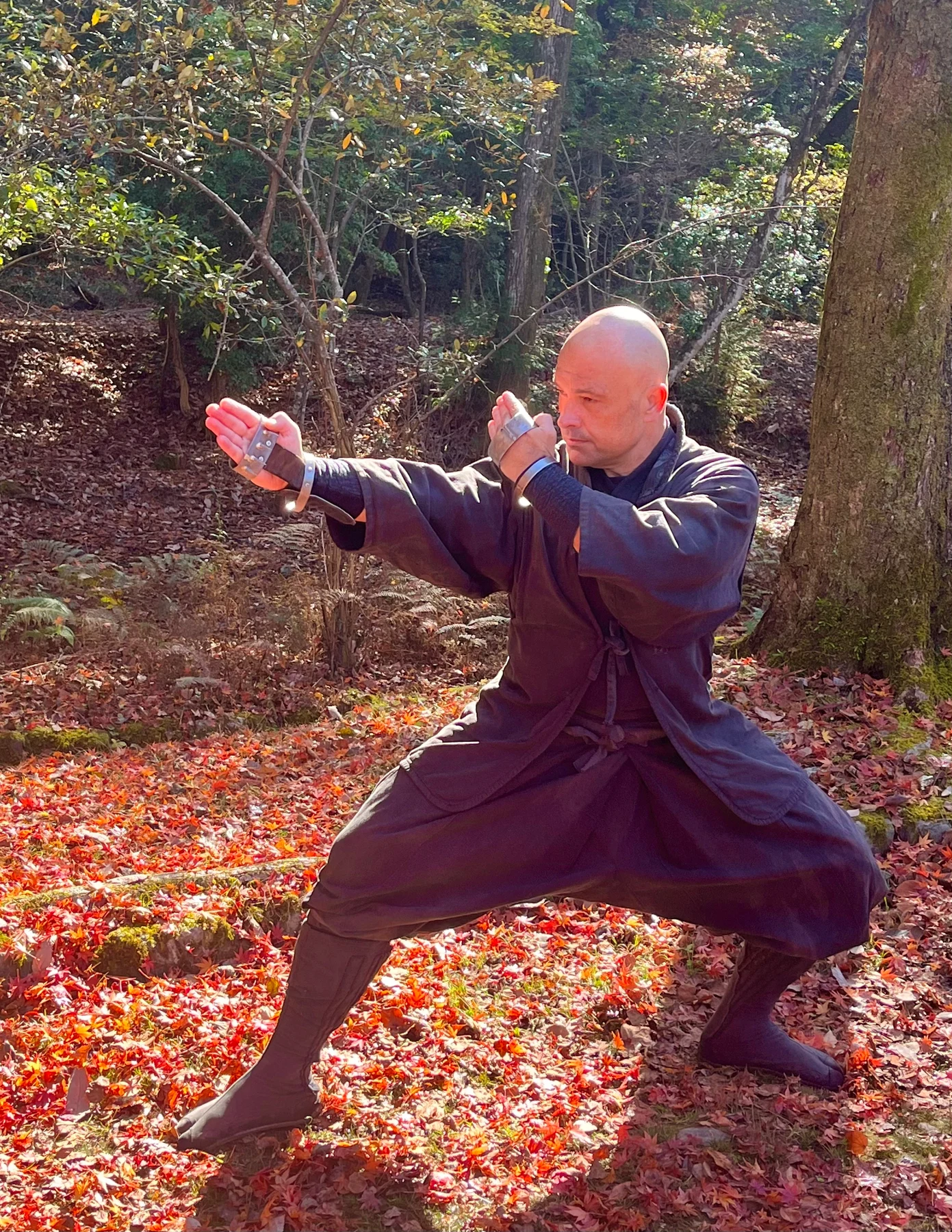
Togakure Ryū Ninpō includes various combat techniques intended to bring out practitioners’ physical and mental abilities to the fullest. These techniques include:
Infiltration and camouflage: Advanced methods for secretly entering enemy territory and carrying out operations without being detected.
Intelligence gathering: Stealth and espionage techniques for obtaining important information.
Martial arts:
Kenjutsu: Swordsmanship techniques.
Bōjutsu: Staff techniques.
Kusarigama (鎖鎌): Techniques using a sickle with a chain.
Shukō: Hand claws used for climbing and close combat.
Senban Shuriken: Throwing blades with edges extending in four directions.
Blowguns: Blowguns for shooting poisoned darts.
Happō Bikenjutsu: A strategic system using swordsmanship, the mind and ki.
These techniques are transmitted systematically through Kata (型) and Densho (伝書), passing Togakure Ryū’s teachings down through generations.
Togakure Ryū Today
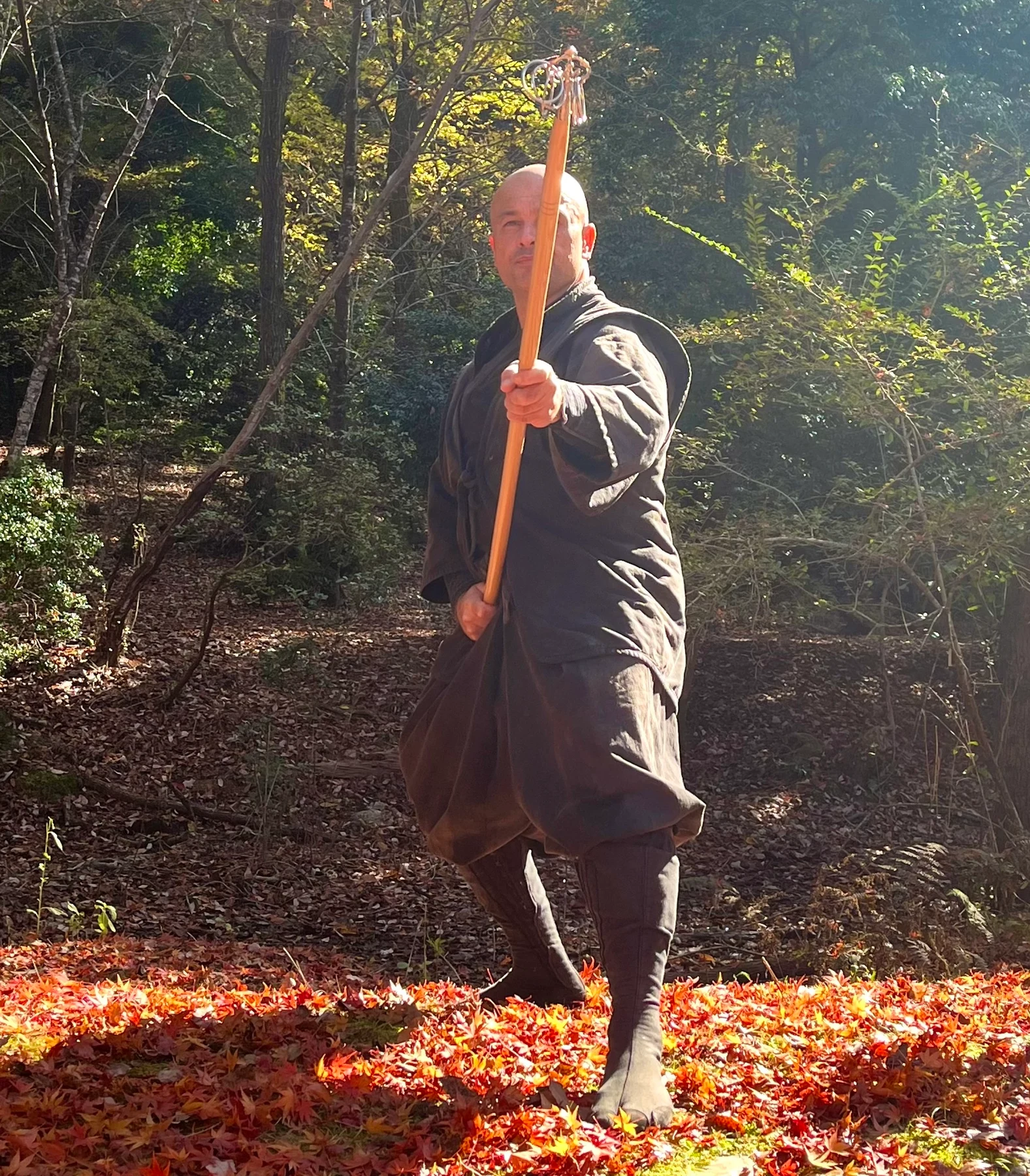
Today, Togakure Ryū is studied within the framework of budō and Ninjutsu, and is regarded as a means of preserving ninja culture. Masters such as the modern martial artist Masaaki Hatsumi have played an important role in spreading Togakure Ryū techniques throughout the world.
Togakure Ryū Ninpō is more than a martial art: it is a ninja school emphasizing spiritual training and harmony with nature, and offering a profound philosophy. Compared with other Ninjutsu schools, such as those of Iga and Kōga, a notable feature of Togakure Ryū Ninpō is its clear, continuous lineage. Indeed, Togakure Ryū Ninpō is the only ninja school with a well-documented lineage attested by reliable sources such as the “Bugei Ryūha Daijiten,” a major encyclopedia of traditional Japanese martial arts.
This uninterrupted lineage begins with Togakure Ryū’s founder, Nishina Daisuke, and continues through Toda Shinryūken Masamitsu and Takamatsu Toshitsugu to Master Masaaki Hatsumi, the 34th sōke. In contrast to the ninja schools of Iga and Kōga, whose transmission is often shrouded in mystery and ambiguity, Togakure Ryū Ninpō’s tradition has been passed down consistently, ensuring the authenticity and fidelity of its teachings over generations.
References
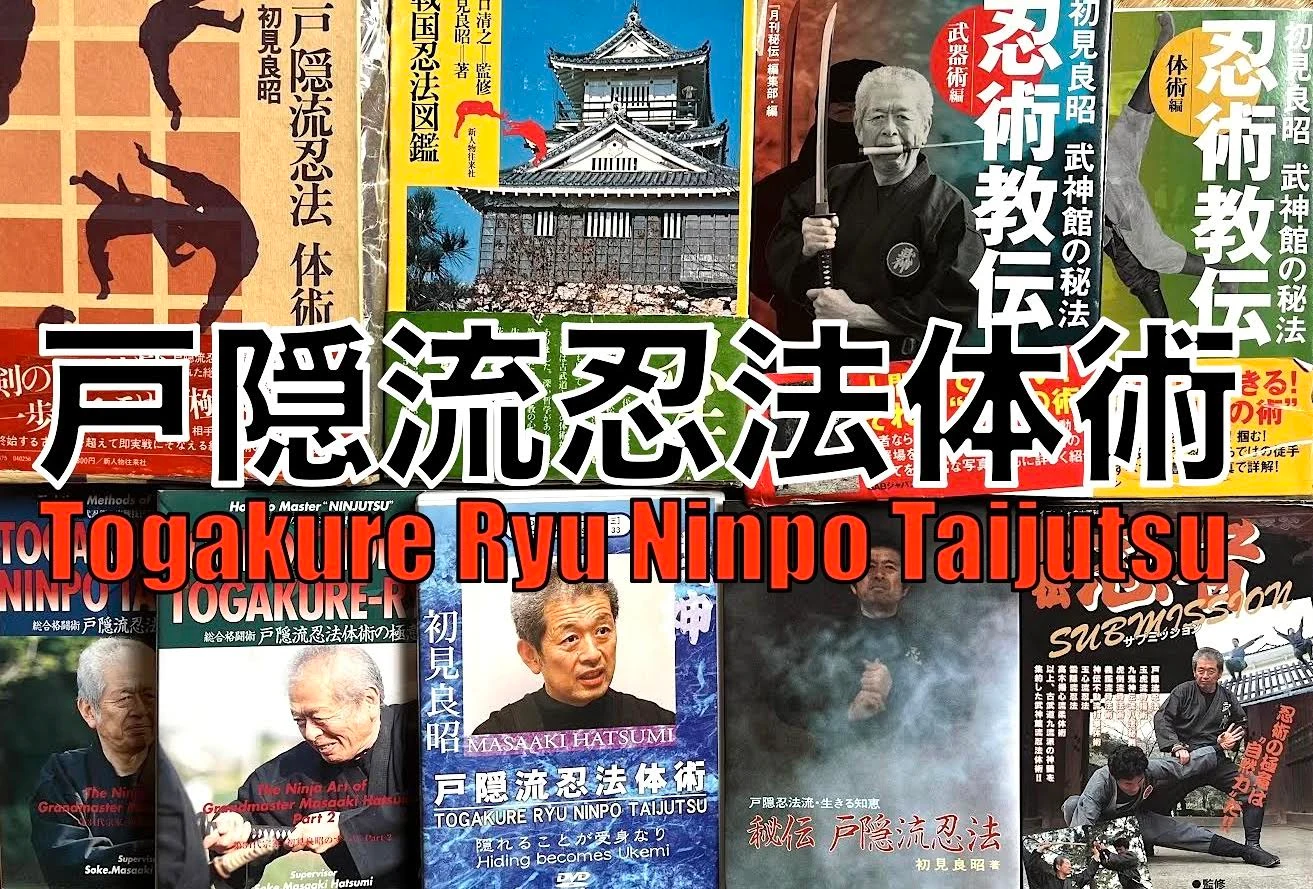
Sources: From Master Masaaki Hatsumi’s books “Togakure Ryū Ninpō Taijutsu” (戸隠流忍法体術) and “Sengoku Ninpō Zukan” (戦国忍法図鑑).